Common Causes of Damage in Brick and Stone Flatwork
Local contractors specializing in brick and stone flatwork damage repair can help address common causes such as settling, freeze-thaw cycles, and moisture intrusion to restore durability and appearance.
Understanding the common causes of damage in brick and stone flatwork is essential for property owners seeking to preserve the integrity and appearance of their outdoor surfaces. Over time, factors such as freeze-thaw cycles, water infiltration, shifting ground, and improper installation can lead to cracks, settling, or surface deterioration. Recognizing these issues early can help prevent more extensive damage, saving both time and money. Local contractors who specialize in brick and stone flatwork damage repair are equipped to assess these causes and recommend effective solutions, ensuring that outdoor spaces remain durable and visually appealing.
For property owners in the area, exploring the reasons behind flatwork damage is a practical step toward maintaining a safe and attractive property. Whether dealing with cracks caused by environmental conditions or damage from ground movement, understanding these common issues can guide decisions about repairs and ongoing maintenance. Local service providers are available to help address these challenges, providing expert repair services that restore the strength and beauty of brick and stone flatwork. Keeping informed about the causes of damage empowers property owners to take proactive steps and keep their outdoor surfaces in optimal condition.
- Brick and stone flatwork damage repair may be needed when cracks or shifting occur due to ground movement, with local contractors assessing and stabilizing the foundation.
- Common causes of damage in brick and stone flatwork include water infiltration, which can lead to erosion and deterioration, prompting local pros to perform sealing and repairs.
- Brick and stone flatwork affected by freeze-thaw cycles often develops spalling or cracking, and local service providers use specialized techniques to restore the surface.
- Damage caused by improper installation or settling can result in uneven surfaces or loose bricks, with local contractors performing leveling and re-masonry work.
- Heavy loads or repeated stress may cause structural damage in brick and stone flatwork, leading local pros to evaluate and reinforce the affected areas.
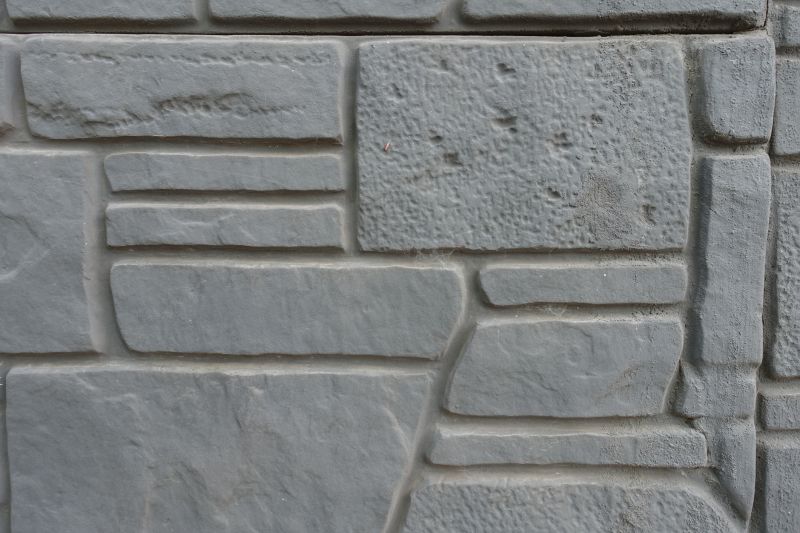
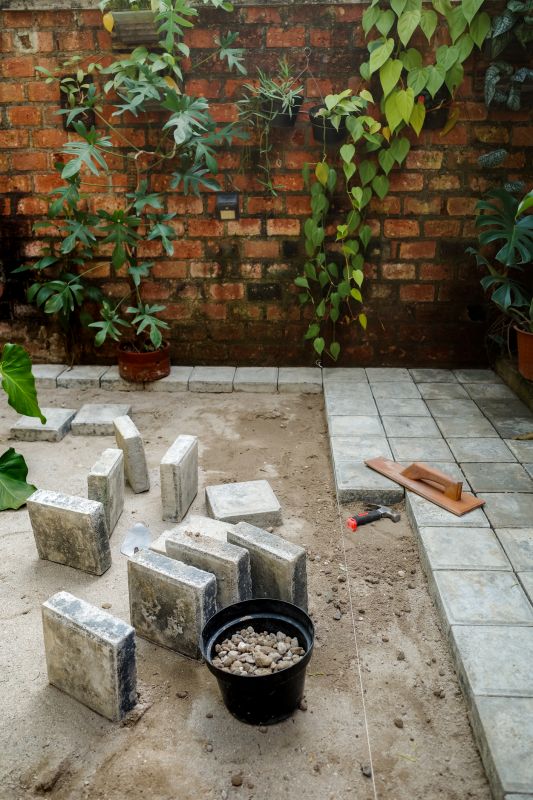
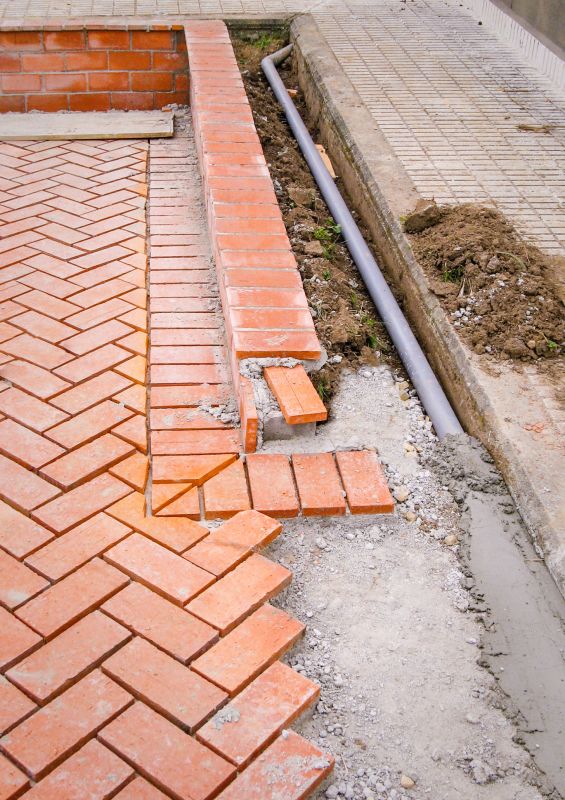
When homeowners search for information on common causes of damage in brick and stone flatwork, they are often trying to understand why their paved surfaces are showing signs of deterioration. These flat surfaces, which include patios, walkways, driveways, and other outdoor flooring, are subject to various stresses over time. Damage can manifest as cracking, spalling, uneven settling, or surface erosion. People typically look for explanations to identify whether issues are due to natural wear and tear, environmental factors, or construction-related problems. Understanding these causes helps property owners decide whether repairs are necessary and how to prevent further damage.
Damage in brick and stone flatwork is frequently linked to environmental factors such as moisture and temperature fluctuations. Water penetration can weaken the mortar joints and cause stones or bricks to shift or crack. Freezing and thawing cycles are especially damaging, as trapped water expands when it freezes, exerting pressure that can lead to spalling or cracking. Additionally, improper drainage around the flatwork can cause water to pool or seep underneath, accelerating deterioration. Local service providers experienced in brick and stone flatwork damage repair often address these issues by assessing drainage and moisture control, helping to prevent future damage caused by these common environmental factors.
Another significant cause of damage relates to the quality of installation and ongoing maintenance. Poorly laid flatwork may have uneven base layers or inadequate joint filling, making it more susceptible to shifting and cracking under load or weather stress. Over time, lack of proper sealing or cleaning can lead to the buildup of dirt, moss, or weeds, which can penetrate the surface and cause deterioration. Heavy use or weight from vehicles can also accelerate wear, especially if the flatwork was not designed to handle such loads. Local contractors specializing in flatwork repair can evaluate installation quality and recommend appropriate fixes to restore stability and durability, ensuring the surface remains functional and safe.
In many cases, damage in brick and stone flatwork is caused by physical impacts or structural shifts. Heavy objects being dropped or dragged across the surface can chip or crack the material. Additionally, ground movement due to soil settling, tree roots, or seismic activity can create uneven surfaces or cause cracks to develop. Over time, these shifts can compromise the integrity of the flatwork, leading to safety concerns and further deterioration. Professionals experienced in flatwork repair are equipped to diagnose these structural issues and perform the necessary repairs, whether that involves replacing damaged sections or stabilizing the foundation to prevent ongoing movement. This proactive approach helps property owners maintain a safe and attractive outdoor space.
Paving restoration projects involve repairing and restoring damaged surfaces, requiring similar skills and tools used in addressing common causes of damage in brick and stone flatwork.
Concrete flatwork repairs focus on fixing cracks and deterioration, paralleling the techniques needed to repair damage caused by freeze-thaw cycles and improper installation.
Patio and walkway construction projects demand planning and precise leveling, skills that are essential when addressing issues stemming from drainage problems and soil movement in flatwork.
Retaining wall installation involves understanding soil and water dynamics, which are also critical factors in preventing damage in brick and stone flatwork.
Mortar joint restoration tasks require expertise in mortar mixing and application, closely related to repairing damage caused by moisture infiltration and freeze-thaw cycles.
Landscape edging services involve installing durable borders that can help prevent damage from soil erosion and water runoff affecting flatwork surfaces.
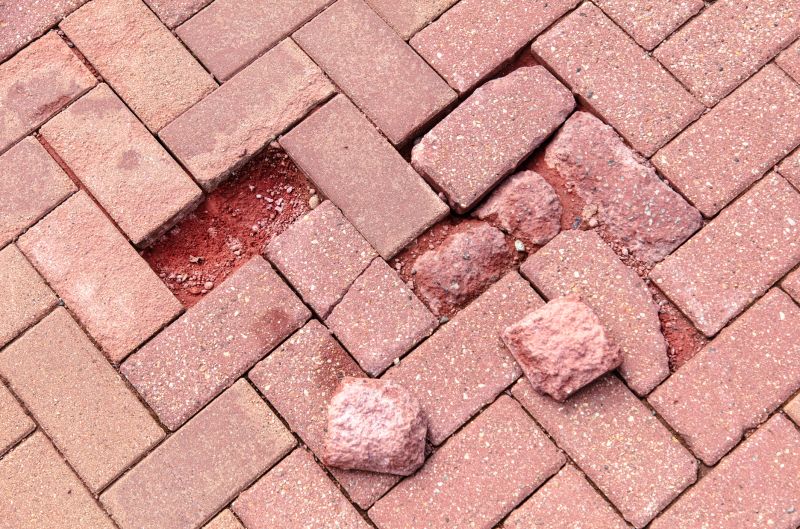
When evaluating local contractors for brick and stone flatwork damage repair, it is important to consider their experience with similar projects. An experienced service provider will have a deeper understanding of common causes of damage in brick and stone flatwork, such as settling, moisture infiltration, or freeze-thaw cycles, and will be better equipped to identify underlying issues that contribute to deterioration. Reviewing a contractor’s history with repairs involving these specific materials can help ensure they have the practical knowledge necessary to handle the unique challenges that such flatwork presents.
Clear written expectations are essential when comparing service providers. A reputable contractor should be able to provide a detailed scope of work, outlining the repair process, materials to be used, and the projected outcomes. This transparency helps prevent misunderstandings and ensures that both parties are aligned on the project’s goals. Homeowners should seek service providers who communicate openly about what to expect during and after the repair, including how they address common causes of damage in brick and stone flatwork, so that the homeowner feels confident in the approach being taken.
Reputable references and good communication are key indicators of a dependable local contractor. Speaking with previous clients can offer insights into how well the service provider manages projects similar to yours, especially in addressing common causes of damage. Additionally, a contractor’s responsiveness and clarity in communication reflect their professionalism and dedication to customer service. Choosing a provider who demonstrates these qualities can lead to a smoother repair process, with clear updates and a better understanding of how they plan to resolve issues related to brick and stone flatwork damage.
Property owners often search for common causes of damage in brick and stone flatwork when they are planning practical projects around their homes and businesses. Local pros provide Brick and Stone Flatwork Damage Repair services for everyday jobs and straightforward project options.
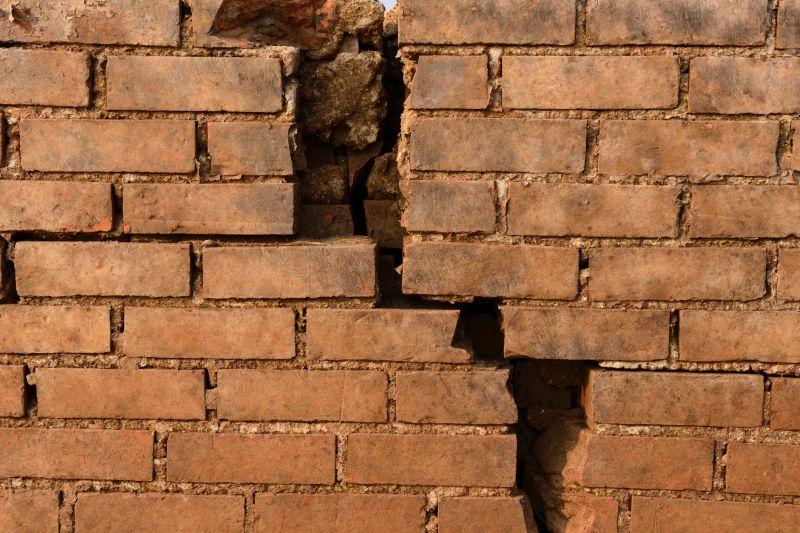
Many property owners in the area find themselves researching common causes of damage in brick and stone flatwork after noticing cracks, uneven surfaces, or deterioration in their walkways and patios. Everyday issues such as heavy foot traffic, shifting ground, or exposure to moisture can lead to cracks and surface deterioration over time. Additionally, improper installation or lack of proper drainage can cause water to seep into the joints or beneath the flatwork, accelerating damage and weakening the structure. These common problems often prompt property owners to seek out local contractors who specialize in brick and stone flatwork repair to restore the integrity and appearance of their surfaces.
Environmental factors and routine wear and tear are frequent contributors to damage in brick and stone flatwork. Freeze-thaw cycles, where water infiltrates the material and expands as it freezes, can cause cracking and spalling. Similarly, plant roots growing underneath or around the flatwork can exert pressure, leading to uneven surfaces or cracking. Property owners may notice that minor issues like loose or chipped stones develop into larger problems if not addressed promptly. Local service providers experienced in flatwork repair are often called upon to evaluate and fix these types of damage, helping preserve the durability and aesthetic of brick and stone surfaces.
What are common causes of damage in brick and stone flatwork? Common causes include freeze-thaw cycles, poor drainage, improper installation, and physical impacts that can lead to cracking or spalling. Local contractors can assess and address these issues to prevent further damage.
How does water intrusion contribute to flatwork damage? Water can seep into cracks or porous materials, causing deterioration over time, especially during freezing conditions. Service providers can help improve drainage and seal surfaces to reduce water-related damage.
Can improper installation lead to damage in brick and stone flatwork? Yes, if flatwork is not installed correctly, it may settle unevenly or develop cracks. Experienced local contractors can perform repairs and ensure proper installation techniques are followed.
What role does physical impact play in damaging flatwork surfaces? Heavy loads, falling objects, or accidental impacts can cause cracks or chipping. Repair specialists can restore damaged areas and reinforce flatwork to withstand future impacts.
How do environmental factors influence the longevity of brick and stone flatwork? Exposure to freeze-thaw cycles, moisture, and temperature fluctuations can accelerate deterioration. Local service providers can recommend protective measures and repairs to extend the lifespan of flatwork.
Weather-related damage - Exposure to freeze-thaw cycles and heavy rain can cause cracks and surface deterioration, prompting property owners to seek repair services from local contractors.
Poor installation practices - Improperly laid brick or stone flatwork can lead to uneven surfaces and structural issues, encouraging property owners to consult local pros for corrective work.
Heavy loads and traffic - Frequent heavy vehicle or foot traffic can cause surface cracking and shifting, motivating property owners to have damaged areas repaired by local service providers.
Lack of proper drainage - Insufficient drainage can lead to water pooling and erosion, prompting property owners to consider repairs from local contractors to prevent further damage.
If you are thinking about common causes of damage in brick and stone flatwork for a property, this guide is meant to help you understand this topic, the typical project types, and how different options might fit your plans.
When you are ready, you can use the quote form on this page to share a few details about your project. From there, local pros can review the basics and follow up with options that match what you have in mind.